
Explore how different abrasives perform across shot blasting machines. Airo Shot Blast Equipments offers detailed insights for optimal industrial results.
Introduction
In the industrial world, surface preparation is more than just a preliminary step—it’s a critical part of quality assurance. Yet, one aspect that often goes unnoticed is the compatibility between abrasives and shot blasting machines. Making the wrong choice can drain efficiency, increase operational costs, and lead to premature machine wear. On the other hand, the right abrasive-machine pairing can unlock precision, speed, and cost savings.
This in-depth guide focuses on Comparing Abrasive Compatibility Across Shot Blasting Machines, shedding light on how different abrasives behave in various types of machines. Whether you're blasting delicate aerospace components or cleaning rusted steel structures, understanding abrasive compatibility is the key to consistent, high-quality results.
What Is Abrasive Compatibility?
Abrasive compatibility refers to how efficiently a particular abrasive operates inside a specific shot blasting machine without causing excessive wear, inconsistent results, or system strain.
Why Abrasive Compatibility Matters
Choosing the right abrasive affects:
Surface finish precision
Machine lifespan
Abrasive consumption
Production speed
Cost efficiency
A mismatched abrasive doesn’t just reduce quality—it creates a ripple effect of inefficiencies across an entire production line.
Types of Abrasives Used in Shot Blasting
Metallic Abrasives
Steel Shot
Spherical and durable, ideal for peening and uniform cleaning applications.
Steel Grit
Angular and aggressive, ideal for deep cleaning or heavy rust scaling.
Stainless Steel Media
Used in applications requiring non-contaminated results.
Non-Metallic Abrasives
Garnet
Sharp and lightweight; perfect for controlled surface profiling.
Aluminium Oxide
Hard, sharp, and reusable—excellent for precision blasting.
Glass Beads
Ideal for peening, polishing, and decorative finishing.
Plastic Media
Used in aerospace and automotive applications where substrate protection is crucial.
Machine Types and Abrasive Compatibility
Below is the core comparison for Comparing Abrasive Compatibility Across Shot Blasting Machines.
Wheel Blast Machines
Wheel blast machines use high-speed turbine wheels to propel abrasive.
Best Abrasives:
Steel shot
Steel grit
Why?
These abrasives can withstand strong centrifugal force and repeated impacts.
Avoid Using:
Glass beads
Plastic media
Garnet
These break easily and generate excessive dust.
Also Check - Shot Blasting Machine Manufacturers
Air Blast (Sandblast) Machines
Air blasting uses compressed air, giving operators more control.
Compatible Abrasives:
Glass beads
Garnet
Aluminium oxide
Plastic media
Steel grit (low-pressure applications)
Why?
Compressed air systems provide adjustable pressure, making them adaptable.
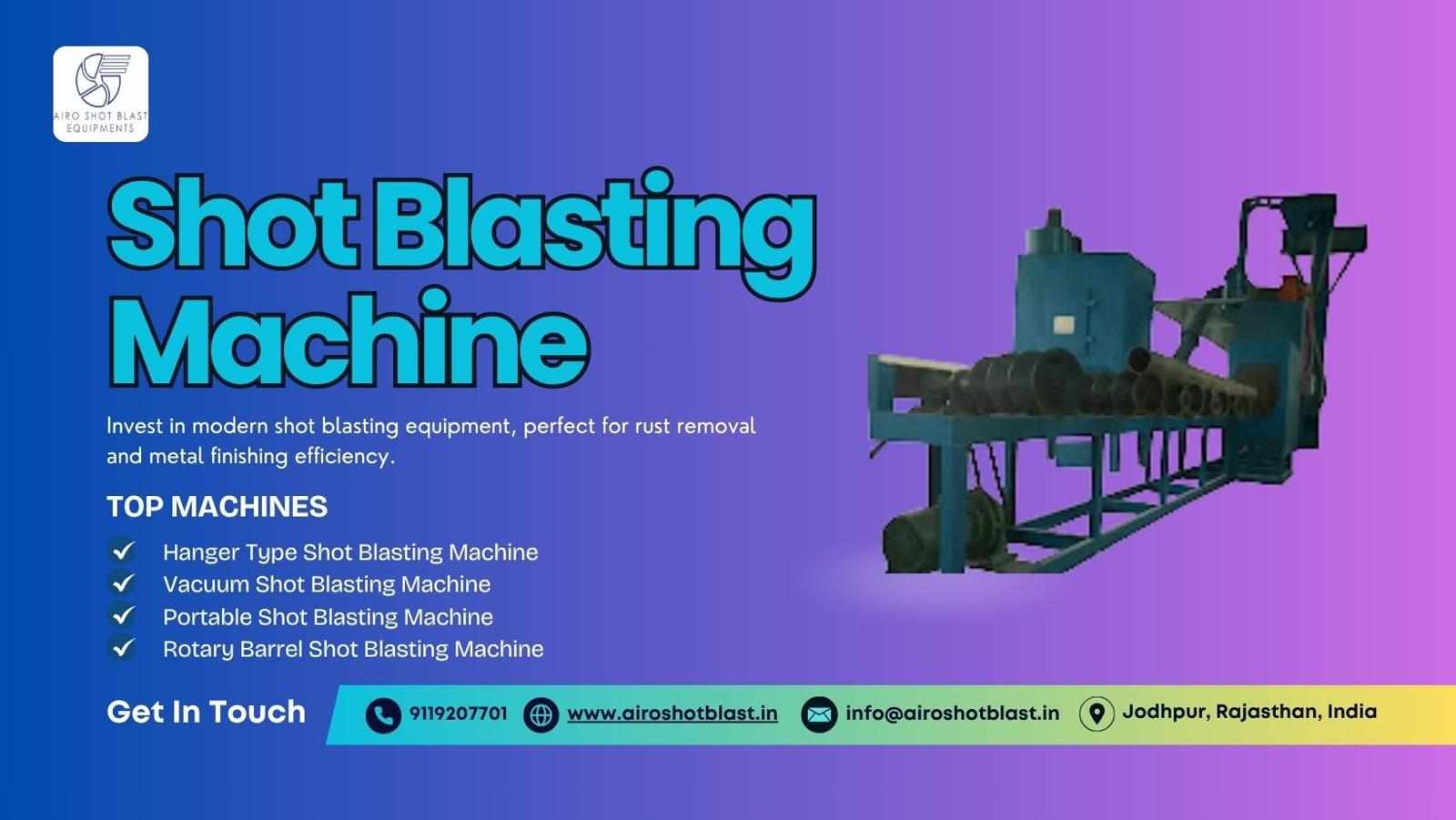
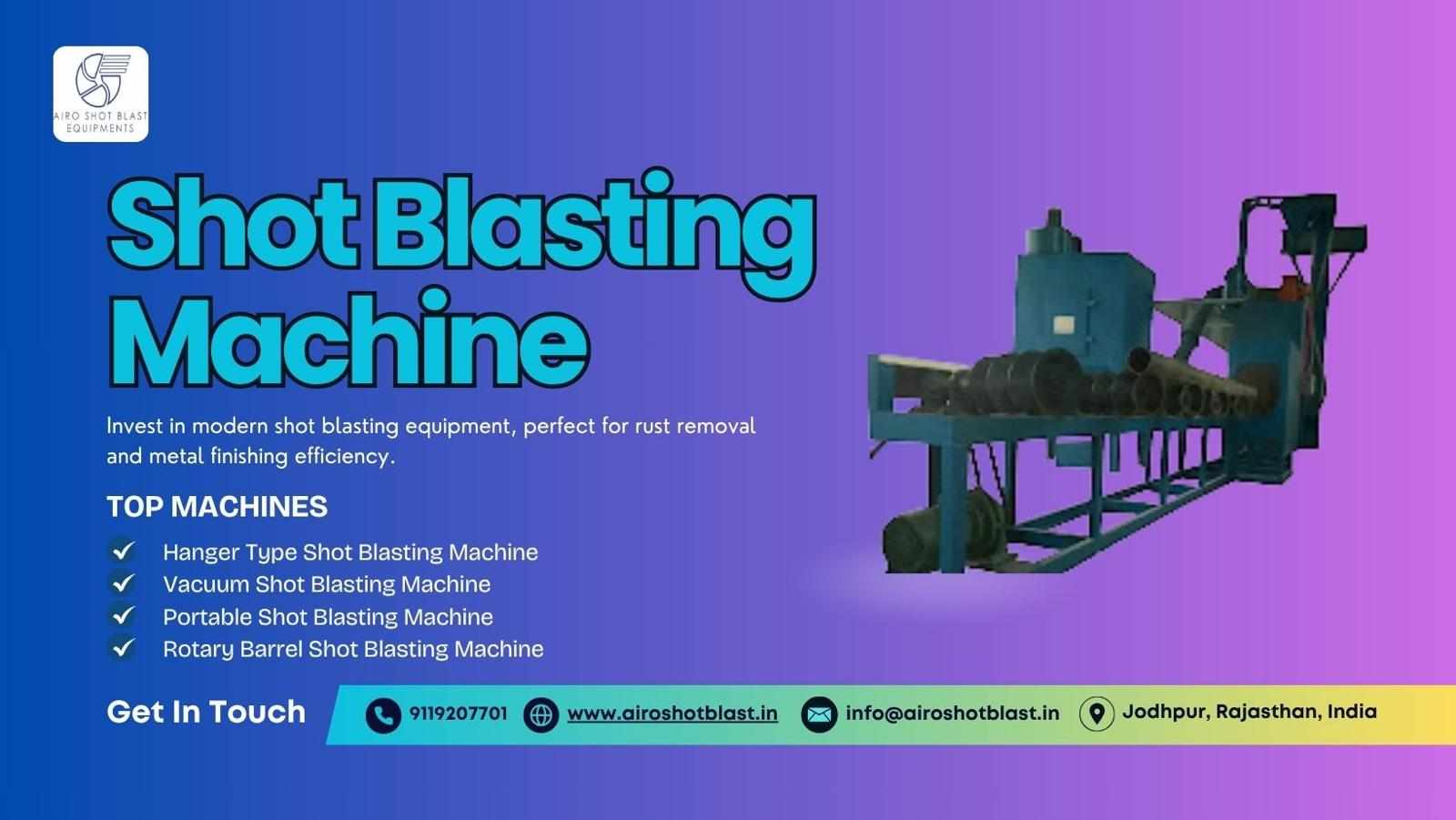
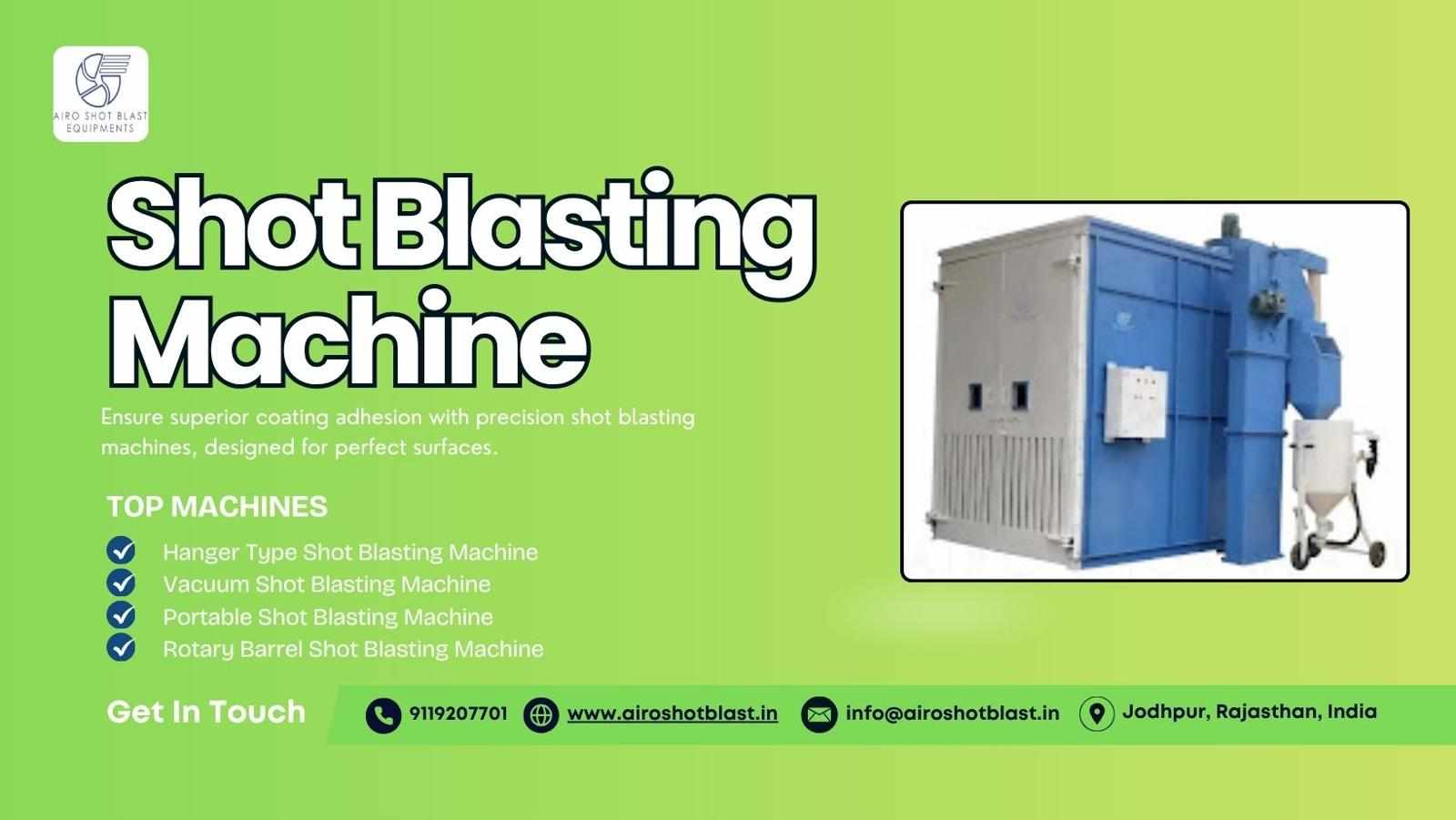
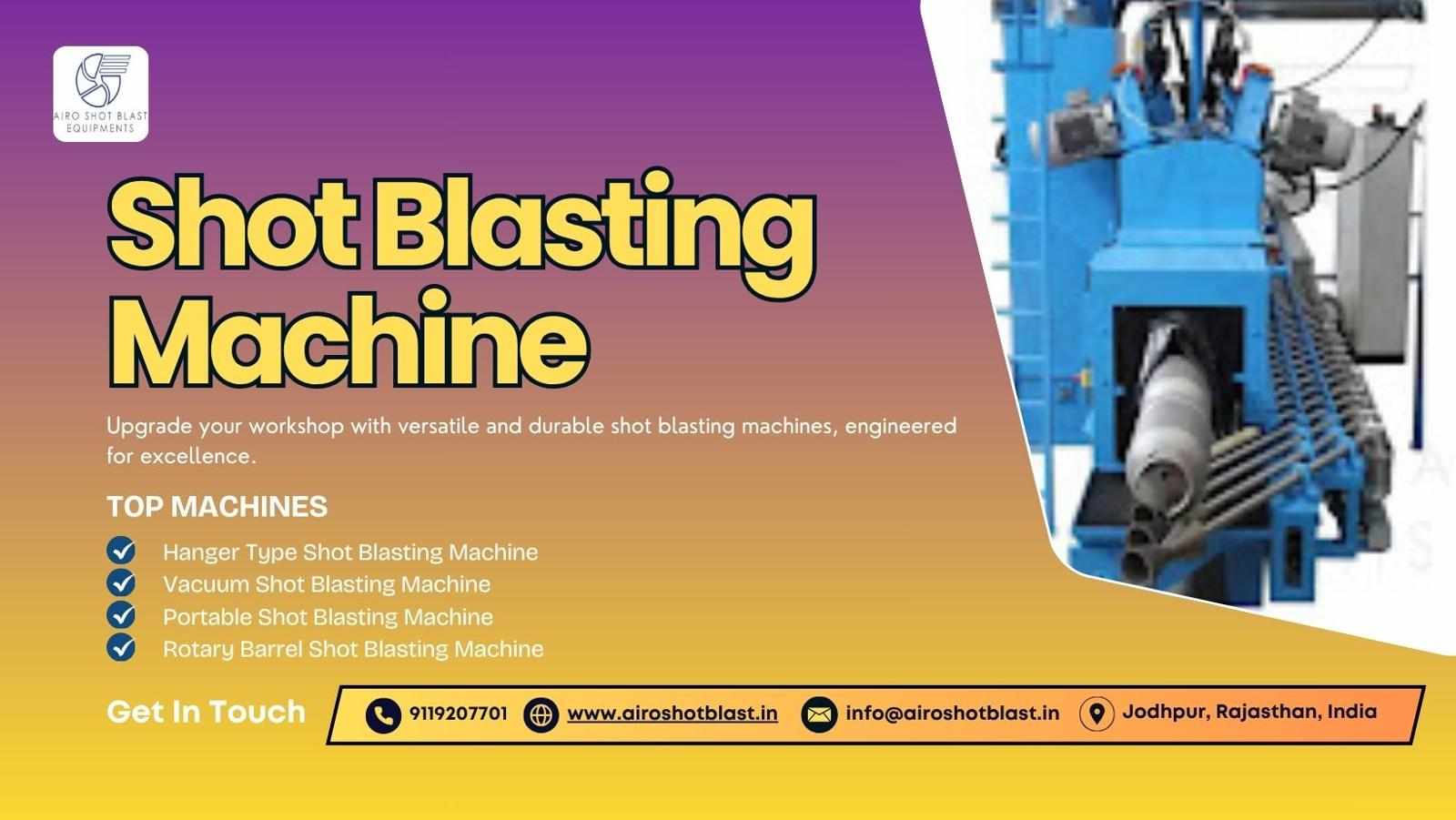
Hanger Type Shot Blasting Machines
These machines suspend components and expose them to abrasive streams.
Best Abrasives:
Steel shot
Steel grit
Why?
These machines are built for heavy-duty industrial cleaning.
Tumble Blast Machines
They clean small or medium components that tumble during blasting.
Suitable Abrasives:
Steel shot
Steel grit
Why?
The abrasives must survive constant impact and tumbling.
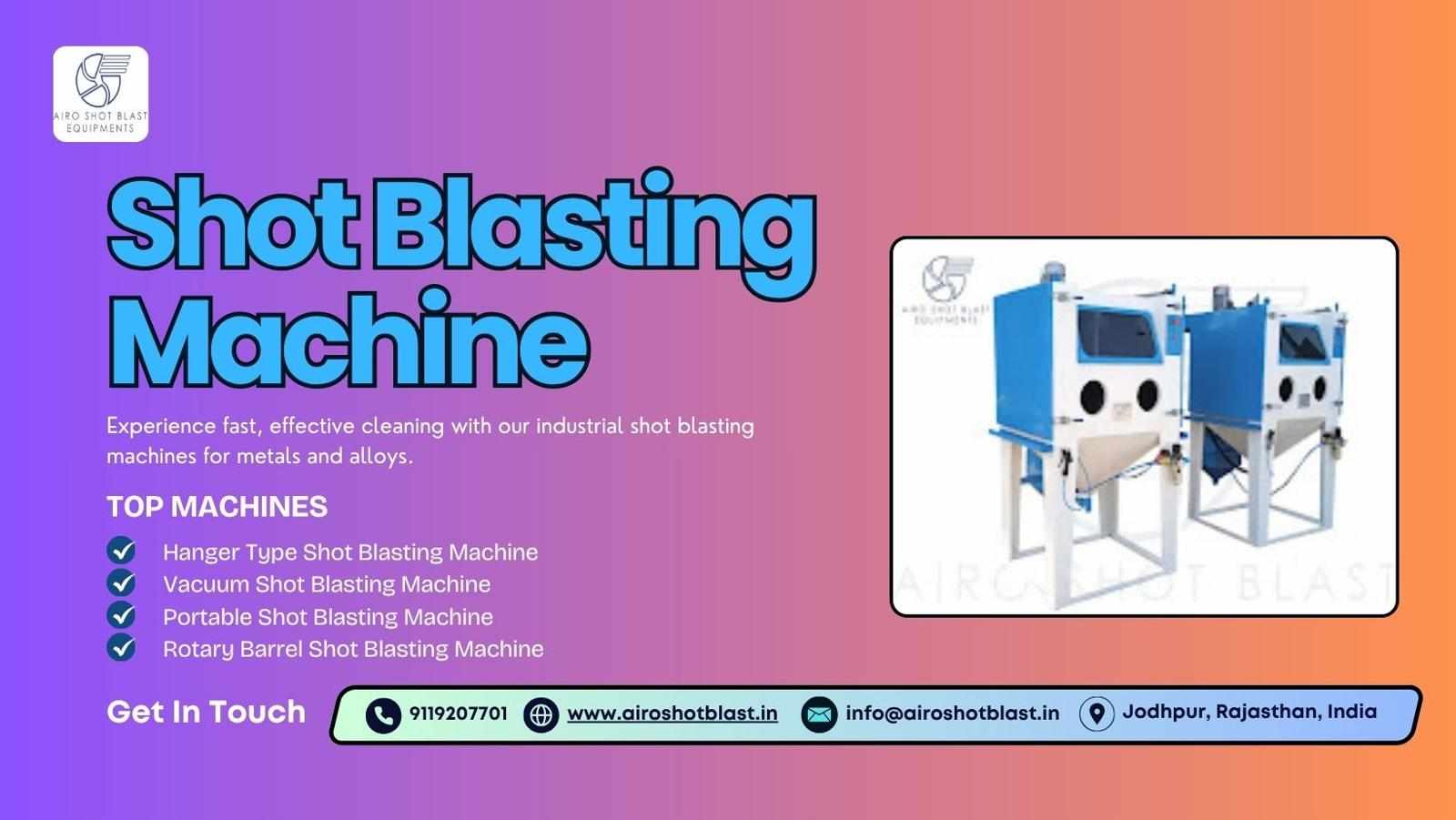
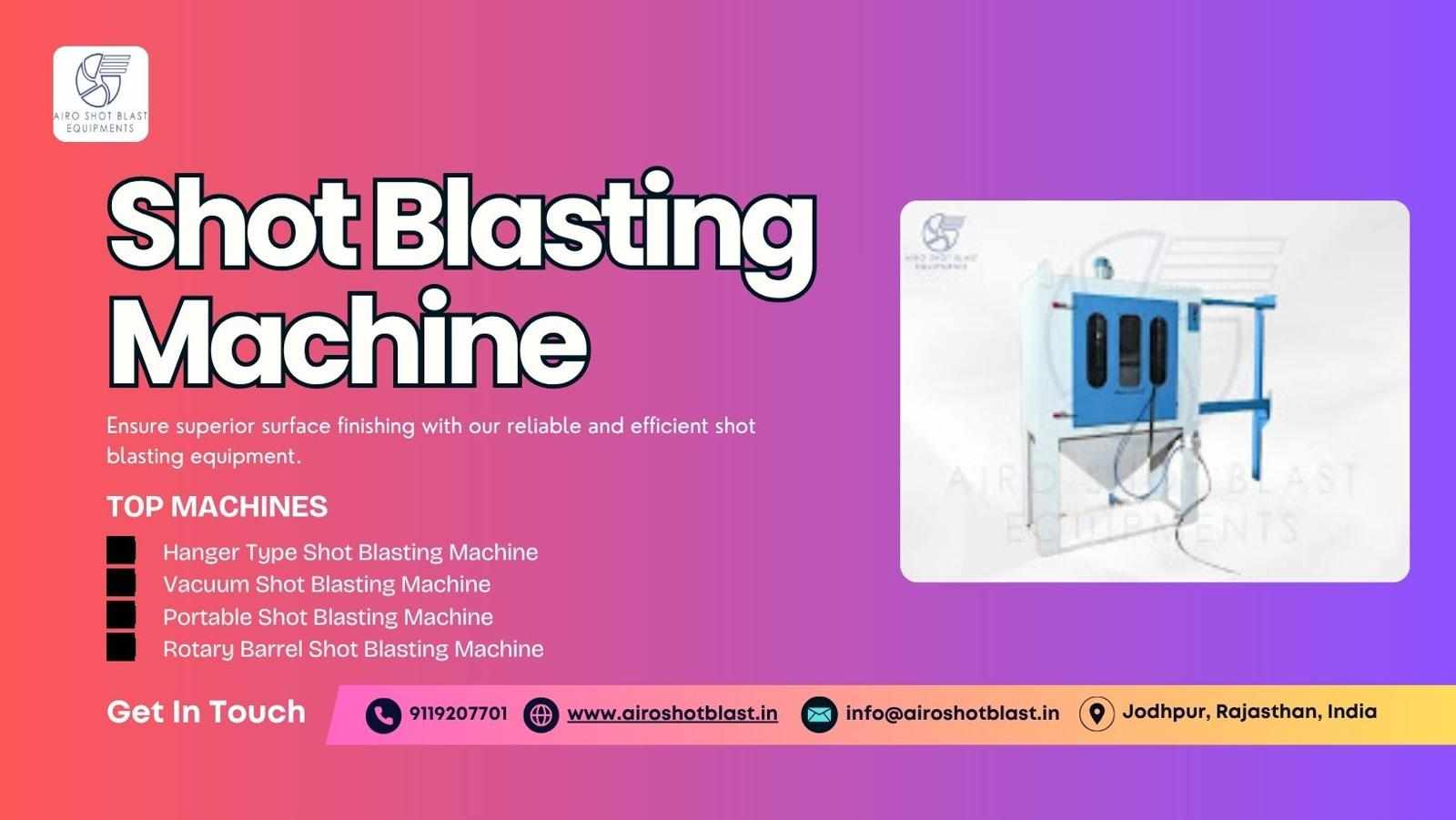
Cabinet Blasting Machines
Enclosed units for precision blasting.
Compatible Abrasives:
Glass beads
Aluminium oxide
Silicon carbide
Plastic media
Garnet
Why?
These abrasives help maintain controlled environments for detailed work.
Know More - Shot Blasting Machine Price in India
Factors Influencing Abrasive Performance
1. Abrasive Shape
Spherical media = uniform peening, smooth finish
Angular media = aggressive cutting, high surface profile
2. Abrasive Size
Large size = deeper penetration
Small size = smoother finish
3. Abrasive Hardness
Harder abrasives cut quickly but wear machines faster.
Performance Analysis by Airo Shot Blast Equipments
Airo Shot Blast evaluates abrasive compatibility by examining:
Surface Requirement
Do you need a rough profile for coating adhesion or a smooth polished appearance?
Substrate Type
Different surfaces—aluminium, steel, alloy—respond differently to impact.
Production Scale
Wheel blast = high volume
Air blast = detailed, low–medium volume
Operational Cost
The wrong abrasive leads to higher consumption and more frequent maintenance.
Equipment Durability
Hard abrasives accelerate wear; softer ones prolong machine life.
Comparison Table for Quick Reference
Machine Type Recommended Abrasives Avoid / Not Ideal Abrasives Wheel Blast Steel shot, Steel grit Glass beads, Garnet, Plastic media Air Blast Garnet, AO, Glass beads, Plastic None (adaptable) Hanger Type Steel shot, Steel grit Non-metallic abrasives Tumble Blast Steel shot, Steel grit Fragile abrasives Cabinet Blast Glass beads, AO, Garnet, Plastic Steel shot (overly aggressive)
Common Mistakes When Choosing Abrasives
Selecting abrasives based solely on cost
Ignoring the substrate’s strength
Using steel abrasive in low-pressure systems
Overlooking dust generation
Choosing the wrong abrasive size
Avoiding these mistakes helps maintain machine efficiency and surface quality.
Read More - https://allventurehub.com/modern-shot-blasters-compared-for-operator-safety/
FAQs
1. Can every abrasive be used in all shot blasting machines?
No. Each machine type has specific abrasive requirements.
2. What’s the most durable abrasive?
Steel shot offers the longest lifespan due to its toughness.
3. Are non-metallic abrasives suitable for wheel blast machines?
Not typically—they break quickly under turbine force.
4. Does abrasive size affect finish quality?
Absolutely. Larger grains create deeper profiles; smaller ones create smoother surfaces.
5. Which abrasive is best for delicate surfaces?
Glass beads or plastic media, depending on the precision needed.
Conclusion
Understanding abrasive compatibility isn't just a technical detail—it’s a foundation for achieving superior blasting performance. After Comparing Abrasive Shot Blasting Machines, it becomes clear that every abrasive must be carefully matched to the machine type, substrate, and desired finish.
With the right pairing, industries can achieve:
Consistent surface results
Reduced abrasive consumption
Longer machine life
Lower operational costs
Airo Shot Blast Equipments continues to guide industries with precise, research-backed recommendations to ensure that every blasting process is effective, efficient, and optimized.





Write a comment ...