
As industrial operations prepare for 2026, capital allocation decisions around machinery acquisition are becoming more strategic than ever. Rising interest rates, rapid automation cycles, and tighter cash-flow management are forcing manufacturers to re-evaluate a long-standing question: Is it better to lease or buy industrial machinery?
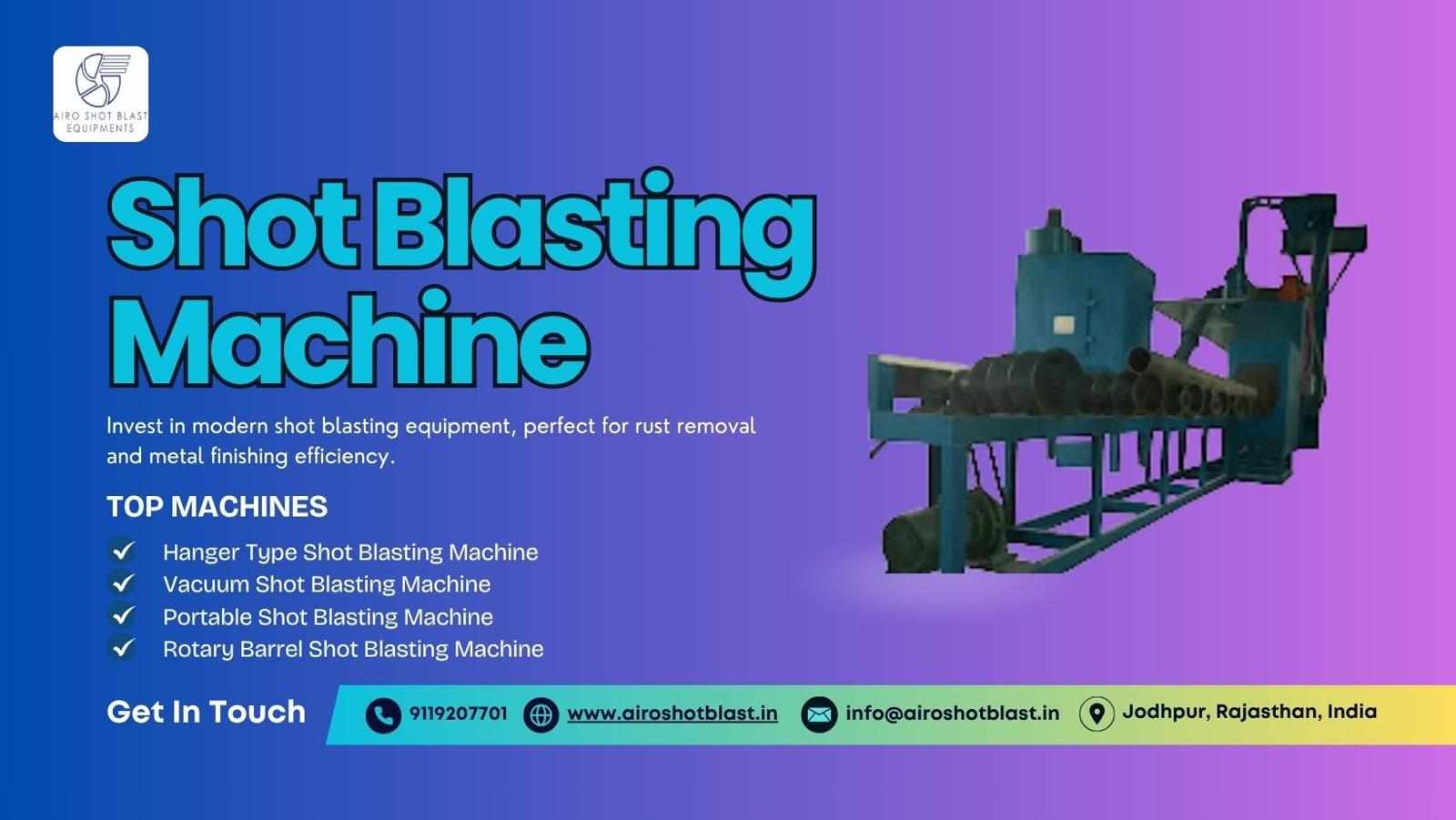
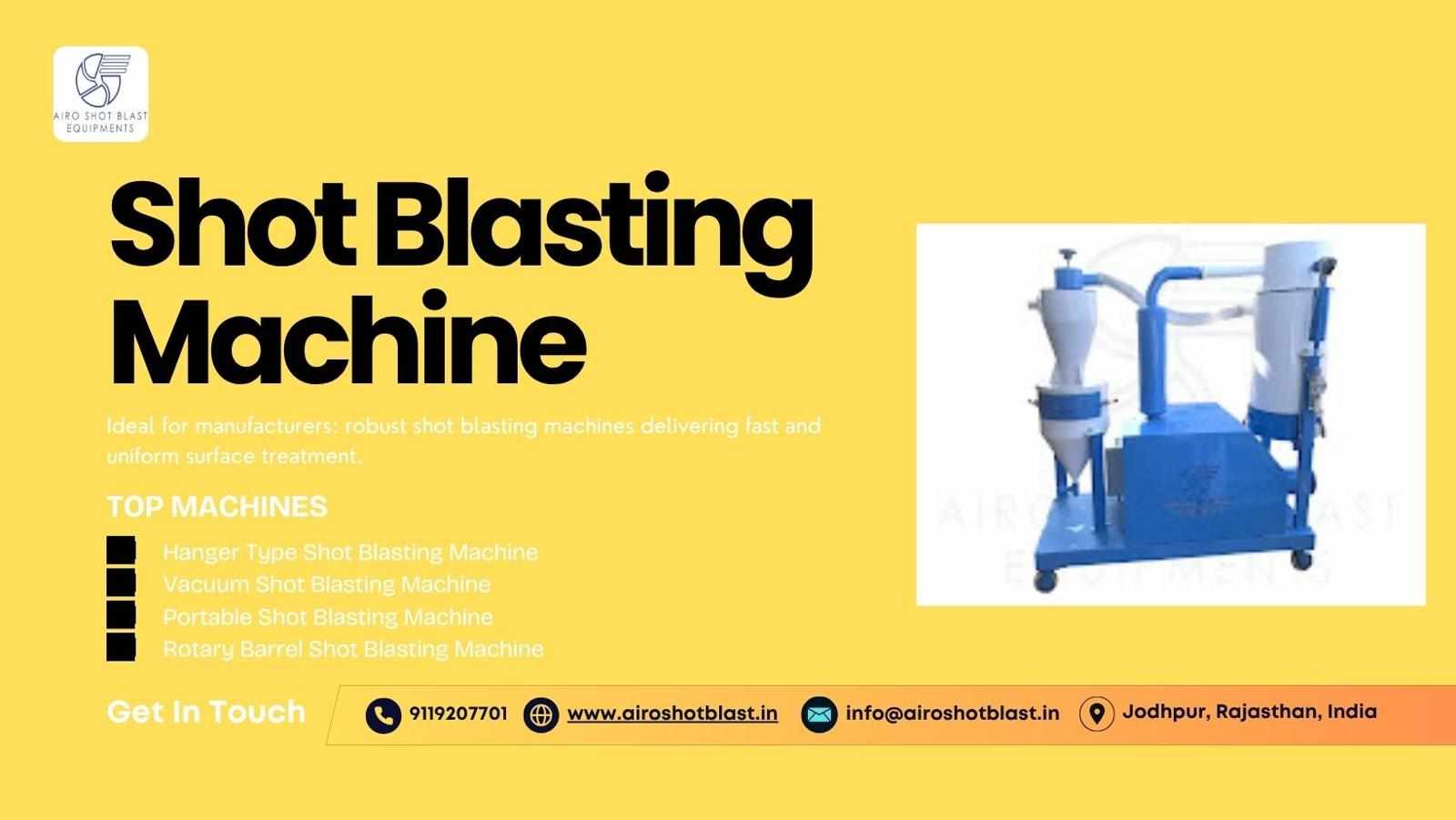
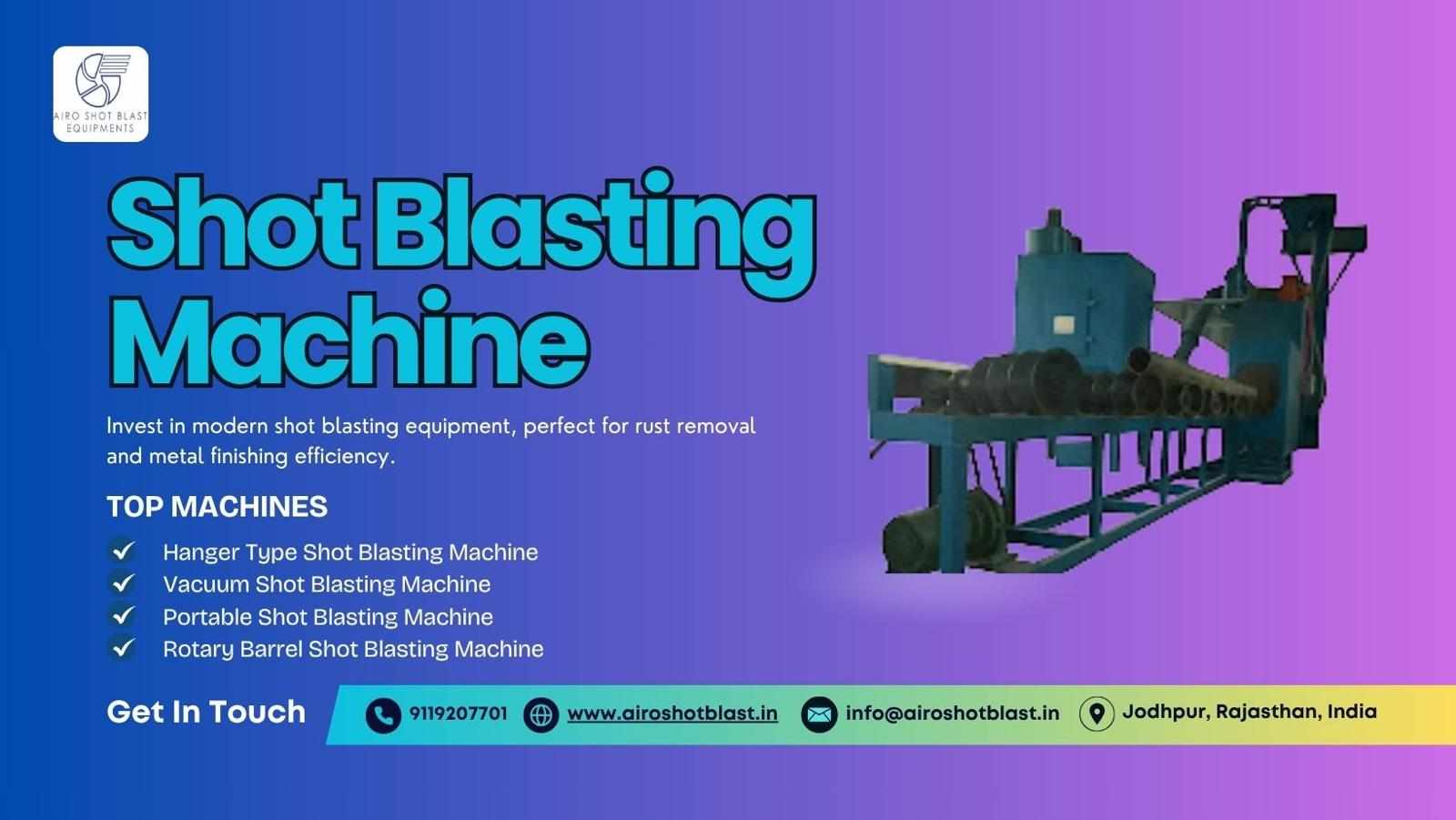
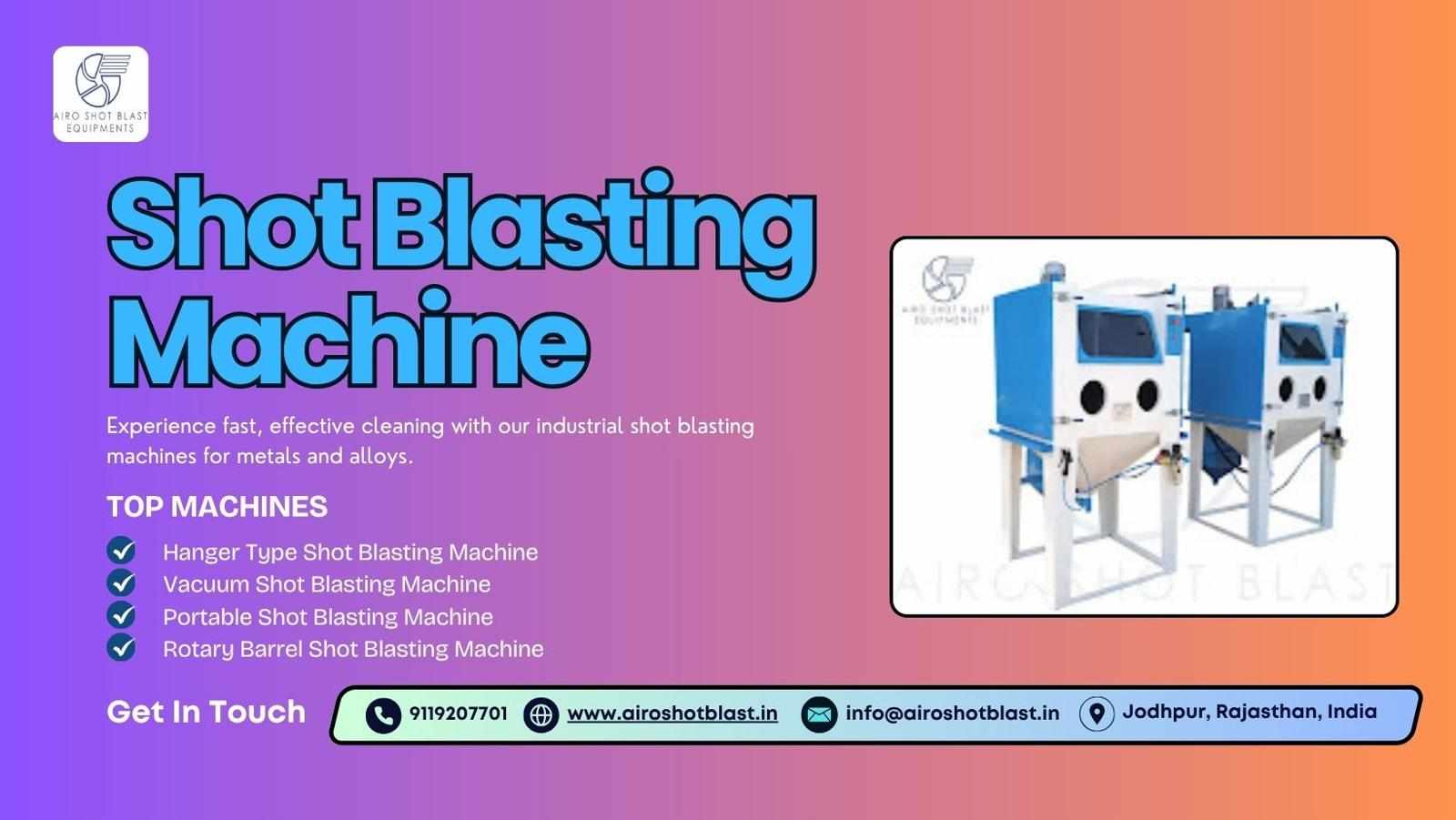
For surface preparation equipment such as shot blasting machine, this decision has direct implications on financial stability, operational flexibility, and long-term competitiveness. Drawing from industry trends and practical financial considerations, Airo Shot Blast presents a structured guide to help decision-makers choose the right path in 2026.
Why the Lease vs. Buy Decision Matters More in 2026
The industrial landscape is shifting. Equipment lifecycles are shortening due to automation upgrades, while financial scrutiny on capital expenditure (CapEx) is increasing. In parallel, many manufacturers are prioritizing agility over asset ownership.
In 2026, the lease-versus-buy decision impacts:
Balance sheet strength
Cash flow predictability
Technology upgrade cycles
Tax planning and compliance
Operational risk exposure
Selecting the wrong model can restrict growth, while the right one can unlock both financial and operational efficiency.
Understanding the True Cost of Buying Industrial Machinery
Buying machinery outright has traditionally been viewed as the most secure option. Ownership offers full control, long-term usage, and potential resale value. However, the true cost of buying extends beyond the purchase price.
Financial Considerations When Buying
High upfront capital investment
Depreciation over time
Maintenance and repair expenses
Spare parts inventory costs
Technology obsolescence risk
While ownership builds asset value on the balance sheet, it also ties up capital that could otherwise be deployed for expansion, automation, or working capital needs.
When Buying Makes Strategic Sense
Purchasing industrial machinery is often the right decision when:
The machine will be used continuously at high capacity
The technology is stable with minimal risk of obsolescence
Long-term cost efficiency outweighs short-term cash flow concerns
Customization is required for specific applications
For high-volume shot blasting operations with predictable workloads, ownership can deliver lower cost per operating hour over the machine’s lifespan—especially when supported by preventive maintenance.
The Financial Logic Behind Leasing in 2026
Leasing has evolved significantly and is no longer just a stopgap for cash-constrained businesses. In 2026, leasing is increasingly viewed as a financial optimization tool.
Key Advantages of Leasing
Minimal upfront investment
Predictable monthly expenses
Easier budgeting and cash flow management
Faster access to newer technology
Reduced risk of asset obsolescence
Leasing converts capital expenditure into operating expenditure (OpEx), which is particularly attractive for companies focused on balance sheet efficiency and return on capital employed (ROCE).
Also Check - Shot Blasting Machine Price in India
Operational Flexibility: A Major Leasing Advantage
Industrial demand cycles are becoming less predictable. Leasing allows businesses to scale equipment usage up or down without long-term ownership risk.
This flexibility is especially valuable for:
Project-based operations
Infrastructure and refurbishment contracts
Seasonal or variable production environments
Companies testing new surface preparation technologies
With leasing, manufacturers can align machinery costs directly with project revenue, reducing idle asset risk.
Maintenance and Risk Allocation
One of the often-overlooked benefits of leasing is risk transfer. Many lease agreements include maintenance support, service coverage, or upgrade options.
This reduces:
Unexpected repair costs
Downtime due to delayed spare parts
Internal maintenance resource pressure
In contrast, ownership places full responsibility for uptime, compliance, and residual value on the buyer. For some organizations, this control is desirable; for others, it represents an unnecessary operational burden.
Tax and Accounting Considerations in 2026
Tax treatment continues to influence machinery financing decisions. While specifics depend on jurisdiction and accounting standards, general trends include:
Lease payments often treated as operating expenses
Potential tax benefits through expense deductions
Reduced depreciation complexity
Buying may offer depreciation benefits, but these are realized over time and depend on asset utilization and tax planning strategy. Businesses should align financing decisions with long-term accounting and compliance goals.
Also Check - Shot Blasting Machine Manufacturers in India
Technology Obsolescence and Automation Pressure
Automation is accelerating across industrial machinery, including shot blasting systems. Features such as remote monitoring, energy optimization, and intelligent controls are evolving rapidly.
Leasing mitigates the risk of being locked into outdated technology. Companies can upgrade equipment more easily at lease renewal, maintaining competitiveness without repeated capital investments.
Airo Shot Blast supports both ownership and leasing models to help customers stay aligned with evolving automation standards.
Read more - https://tumblrblog.com/top-5-tech-breakthroughs-in-shot-blasting-equipment/
Leasing vs. Buying: A Practical Comparison
Decision Factor Buying Leasing Upfront Cost High Low Cash Flow Impact Immediate Spread over time Ownership Full None Flexibility Limited High Obsolescence Risk High Lower Maintenance Responsibility Buyer Often shared or included
Making the Right Decision for Your Operation
There is no universal answer. The right choice depends on:
Production volume and consistency
Financial structure and capital availability
Technology roadmap
Risk tolerance
Project duration and contract type
Many organizations in 2026 are adopting hybrid strategies, owning core machinery while leasing equipment for specialized or temporary needs.
Explore more - https://yashk1047820.stck.me/post/1544757/Can-Shot-Blasting-Meet-the-Standards-of-Micro-Electronics
Conclusion
In 2026, the decision to lease or buy industrial machinery is no longer just a financial calculation—it is a strategic business choice. Buying offers control and long-term value for stable, high-utilization operations, while leasing delivers flexibility, cash flow efficiency, and technology agility.
By carefully evaluating total cost of ownership, operational risk, and future automation needs, manufacturers can choose a financing model that supports sustainable growth.
With flexible acquisition options and advanced engineering solutions, Airo Shot Blast helps industrial businesses make informed machinery investment decisions—whether through ownership or leasing—ensuring financial resilience and operational excellence in the years ahead.





Write a comment ...